
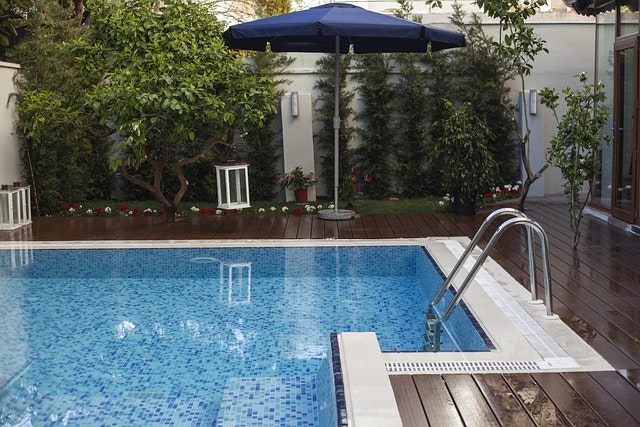
Summer Pool Safety and Liability
Swimming pools offer a refreshing break from the summer heat and often become the hub of seasonal activities. However, the enjoyment they bring also comes with serious safety and liability considerations for property owners. Understanding these responsibilities helps reduce risks and creates a safer environment for everyone who visits your home or rental property.
For homeowners and property managers, being aware of how pool ownership relates to accident prevention and legal duties is essential. When pool accidents occur, they can lead to significant financial and legal consequences. Taking steps to understand these responsibilities can make a meaningful difference in protecting visitors and safeguarding your property.
The Added Responsibility Of Pool Ownership
While a pool can be a valuable amenity and boost property appeal, it also introduces risks that require careful attention. Drowning incidents, falls around slippery surfaces, diving accidents, and equipment malfunctions can all lead to injuries. Even small oversights in supervision or maintenance may create dangerous conditions.
Many pool injury cases fall under premises liability, a legal concept that obligates property owners to keep their premises reasonably safe. If a visitor is harmed due to a hazardous condition that was not corrected or warned about, the property owner may be held accountable.
For a person to establish liability, they generally need to show that a dangerous condition existed, that the property owner knew or should have known about it, and that the hazard was not repaired or communicated. They must also demonstrate that the hazard directly contributed to the injury. Understanding this framework helps property owners take preventive steps and reduce exposure to potential claims.
Distinguishing Hidden Hazards From Obvious Dangers
One important factor in many premises liability cases is whether a hazard is hidden or easily noticeable. Property owners are generally not required to warn guests about hazards that are plainly visible, such as wet surfaces near the pool.
However, less obvious dangers may require repairs or clear warnings. Examples of concealed pool hazards include:
- Unstable or broken pool ladders
- Faulty drains that may create suction risks
- Damaged or loose tiles beneath the waterline
- Unmarked or abrupt depth changes
When these issues are not addressed, the chances of injury may increase, potentially leading to allegations of negligence. Conducting routine inspections and maintaining pool areas can help uncover problems early and reduce the risk of accidents.
Special Legal Issues Involving Children
Pools are particularly appealing to children, who may not fully grasp the risks associated with water. Due to this, many states apply the attractive nuisance doctrine, which imposes added responsibilities on property owners.
This doctrine recognizes that certain features—like swimming pools—can draw children onto a property, even without permission. Because of this, property owners may be expected to implement additional safety measures to prevent unsupervised access.
Recommended safeguards often include fencing at least four feet high and gates that automatically close and latch. Depending on local rules, pool alarms or door alarms may also be necessary. If a child enters a pool area and suffers an injury, courts may consider whether the property owner took reasonable steps to prevent access.
Practical Measures To Improve Pool Safety
Reducing pool-related risks often begins with consistent, practical safety measures. Property owners can strengthen pool safety by taking proactive steps such as:
- Creating secure barriers: A sturdy fence or enclosure can help prevent unauthorized or unsupervised entry. Self-latching gates are especially important for keeping children out of the pool area.
- Maintaining pool equipment: Regularly checking ladders, drains, slides, pumps, and covers can help ensure everything is in proper working condition. Damaged or worn equipment should be repaired or replaced promptly.
- Addressing hidden hazards: Issues like loose tiles, underwater debris, poor lighting, or cracked surfaces should be corrected as soon as possible. When immediate repairs are not feasible, guests should be informed of the risks.
- Ensuring active supervision: Having a responsible adult monitor swimmers—especially children—can prevent accidents that happen within moments. Designating a "water watcher" during gatherings is a simple way to prioritize safety.
These safety practices not only reduce the likelihood of injuries but also help demonstrate that reasonable precautions were taken if questions about liability arise.
The Importance Of Proper Equipment And Maintenance
Beyond general supervision, the condition of pool equipment plays a major role in preventing injuries. Essential components—such as drains, diving boards, slides, pumps, and covers—must be installed correctly and maintained regularly.
A malfunctioning drain can create suction strong enough to trap swimmers. A broken ladder or unstable slide can lead to falls. Even a damaged pool cover can pose drowning risks if it collapses under a person's weight. In some cases, liability may extend to equipment manufacturers or installers if defects contribute to injuries.
Routine inspections and timely repairs help ensure equipment functions as intended and minimize potential hazards.
Insurance Considerations For Pool Owners
Because swimming pools increase liability exposure, reviewing insurance coverage is another important step. Many homeowners' insurance policies require owners to disclose the presence of a pool.
Failing to properly report a pool—or neglecting safety requirements outlined in the policy—could affect coverage if an accident occurs. For homeowners who host gatherings frequently, reviewing liability limits is especially important.
Some property owners also explore umbrella insurance for added protection. These policies can offer additional coverage if a claim surpasses the limits of a standard policy. Understanding how insurance applies to pool ownership helps ensure proper coverage.
Responding To Pool Accidents
Even with careful planning, accidents may still occur. When they do, taking quick and appropriate action is essential.
The first step should always be addressing medical needs. After ensuring that the injured person receives care, documenting the scene and gathering witness statements can help preserve critical information.
Property owners should avoid making statements about fault before the situation is fully evaluated. Speaking with legal counsel can help clarify next steps and ensure the matter is handled responsibly.
Pools can create lasting memories and enjoyable summer moments, but they also demand ongoing attention to safety and legal responsibilities. If you have questions about pool safety, liability concerns, or a specific incident, The McGee Firm is here to help. Our team provides compassionate, informed legal guidance to individuals and families throughout Edwards, Mississippi, and surrounding communities. To learn more, visit our website or contact us at (601) 812-7541.